



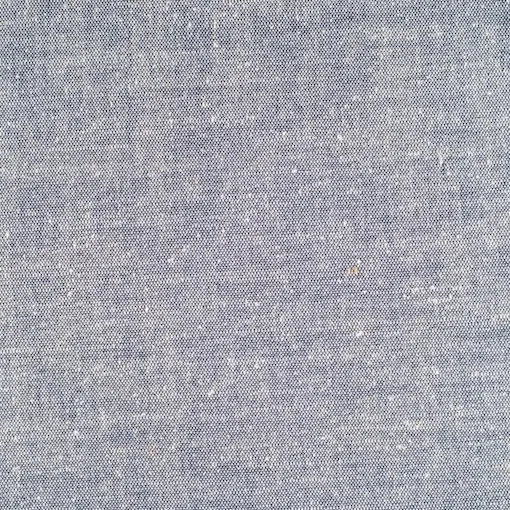
Moments of Being - Indigo
SL5-01
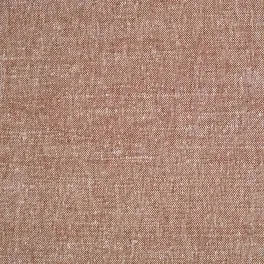
Woven sustainably by a collective of female artisans in the Himalayan foothills of Meghalaya, this fabric uses ahimsa (no-kill) Eri silk, locally known as Ryndia. The silk comes from the domesticated silkworm Samia ricini, which feeds on castor leaves and completes its natural life cycle before the fiber is harvested.
Eri weaving is an ancestral practice in the Ri-Bhoi District, where women oversee the entire process—from silkworm rearing and hand spinning to dyeing and weaving—using traditional tools passed down through generations. Production remains small-scale, local, and entirely female-led.
Often called Peace Silk, Eri is prized for its durability and wool-like texture, making it an heirloom material in the region. Natural dyes are derived from locally gathered plants, bark, flowers, and leaves, producing a palette that is both subtle and enduring.
- Collection: Moments of being
- Color: Indigo
- Width: 134.5 cm / 52.95 in
-
Pattern Repeat:
Vertical
 : N/A
Horizontal
: N/A
Horizontal
 : N/A
: N/A
- Weight: 280 gsm
- Content: 65% Silk + 35% Cotton
- Care Instruction: Dry Clean Only
- Martindale: 16,000
Story
Woven sustainably by a collective of female artisans in the Himalayan foothills of Meghalaya, this fabric uses ahimsa (no-kill) Eri silk, locally known as Ryndia. The silk comes from the domesticated silkworm Samia ricini, which feeds on castor leaves and completes its natural life cycle before the fiber is harvested.
Eri weaving is an ancestral practice in the Ri-Bhoi District, where women oversee the entire process—from silkworm rearing and hand spinning to dyeing and weaving—using traditional tools passed down through generations. Production remains small-scale, local, and entirely female-led.
Often called Peace Silk, Eri is prized for its durability and wool-like texture, making it an heirloom material in the region. Natural dyes are derived from locally gathered plants, bark, flowers, and leaves, producing a palette that is both subtle and enduring.
Technical
- Collection: Moments of being
- Color: Indigo
- Width: 134.5 cm / 52.95 in
-
Pattern Repeat:
Vertical: N/A
Horizontal
: N/A
- Weight: 280 gsm
- Content: 65% Silk + 35% Cotton
- Care Instruction: Dry Clean Only
- Martindale: 16,000

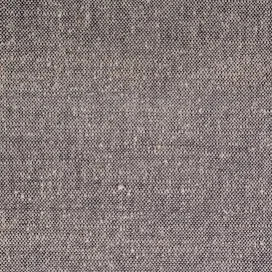
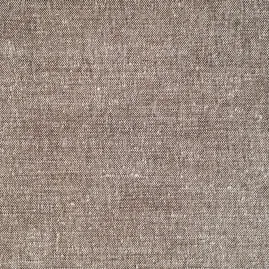
Alternative Colorways
Item has been added
to your basket!